Global Health Initiatives Halted as Foreign Aid Funding is Suspended
February 2, 2025 - 01:14
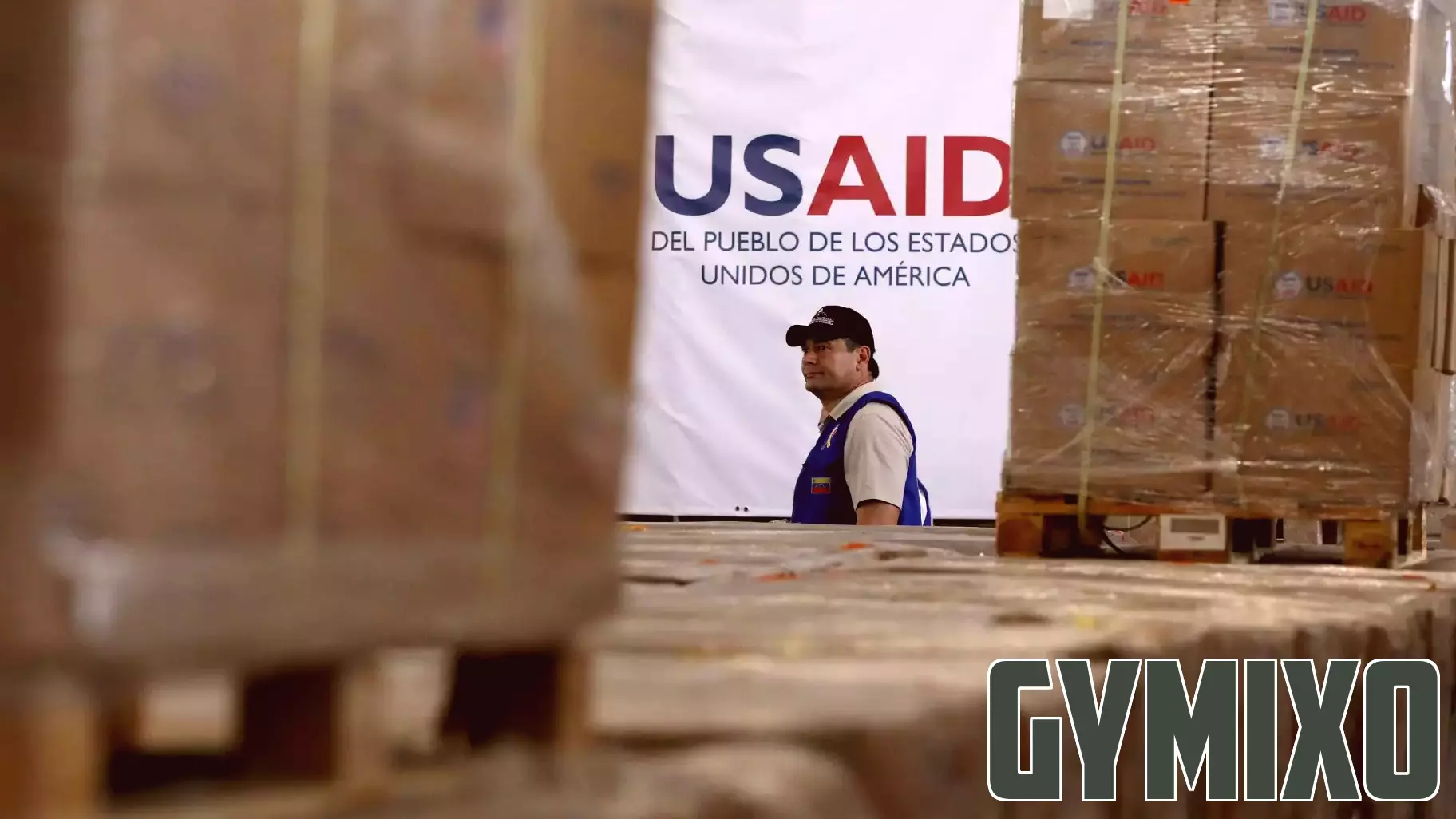
Lifesaving treatment and prevention programs for tuberculosis, malaria, HIV, and other critical diseases are facing severe disruptions due to a pause in foreign aid funding. As a result of this funding freeze, numerous health initiatives worldwide are unable to access the financial resources necessary to continue their vital work.
Organizations that have been at the forefront of combating these epidemics are now grappling with the grim reality of halted operations. The inability to secure funds means that countless patients may go untreated, leading to a potential surge in disease incidence. Health workers, who have tirelessly fought against these illnesses, are now left uncertain about their future roles and the sustainability of their programs.
The ramifications of this funding pause extend beyond immediate health concerns, potentially destabilizing years of progress made in the fight against these diseases. Experts warn that without urgent action to restore funding, the world could see a resurgence of infections that had previously been under control, jeopardizing global health security.
MORE NEWS

August 20, 2026 - 01:57
Q2 Earnings Highlights: agilon health (NYSE:AGL) Vs The Rest Of The Outpatient & Specialty Care StocksQuarterly earnings season offers a clear view into how companies are navigating current market conditions, and the outpatient and specialty care space has been no exception. Investors have been...

August 19, 2026 - 03:09
Jamal Musiala: Bayern Munich forward shares health update after collapsing during a match againBayern Munich attacker Jamal Musiala has reassured fans after collapsing during a match for the second time in less than a week. The Germany international went down during a team training session...

August 18, 2026 - 15:17
Doritos as farm-to-table snacks? Big Food, under duress, gets creativeThe classic nacho cheese Doritos has long been a staple of gas station runs and late-night cravings, but its ingredient list tells a more complicated story. With 27 components, the snack includes...

August 17, 2026 - 21:29
Health officials confirm four measles cases in Meigs County, OhioHealth authorities have verified four cases of measles in Meigs County, a rural area along the Ohio River. The announcement came from local health officials who are now working to trace contacts...